The best welcome bonus is the one you can earn with your normal spending, on a card you'd keep anyway. A big number on a card with a C$599 fee and a C$10,000 spending target can be worth less than a modest bonus on a no-fee card.
This guide shows you how to compare offers in five minutes. For the live list, with every offer checked against the issuer's own page and dated, see our current credit card offers.
Step 1: Turn the bonus into dollars
Points programs all use different numbers, so compare in dollars. Multiply the points by what each point is worth, in cents, then divide by 100.
| Offer | Points | Value per point | Bonus in dollars |
|---|---|---|---|
| Card A | 60,000 | 1.0 cent | C$600 |
| Card B | 30,000 | 2.0 cents | C$600 |
| Card C | C$300 cash back | – | C$300 |
Card A and Card B are worth the same, even though one "looks" twice as big. Our cents per point guide explains how to value points, and our calculators do the maths for Aeroplan, RBC Avion, Scene+, TD Rewards and Amex Membership Rewards.
Step 2: Check the spending target against your real budget
Most bonuses need you to spend a set amount in the first few months. Add up what you already spend on things you could put on the card: groceries, gas, phone, insurance, utilities.
Say a bonus needs C$3,000 in three months. If your usual card spending is C$800 a month, you'd reach C$2,400. You would miss the bonus by C$600, unless a planned expense falls in that window.
Never buy things you don't need to hit a target. If you end up carrying a balance at 20.99%, a C$1,000 balance costs about C$17 in interest every month.
Step 3: Subtract the fee
Look at the first-year cost and the ongoing cost separately.
| First year | Second year | |
|---|---|---|
| Bonus value | C$600 | C$0 |
| Annual fee | −C$139 | −C$139 |
| Net | C$461 | −C$139 plus rewards |
If the fee is waived in year one, your first-year net is higher. But plan for year two: will the everyday rewards cover the fee? See our guide to the annual fee waiver.
Step 4: Read the fine print that trips people up
- What counts as a purchase. Balance transfers, cash advances and fees usually don't count. Returns are subtracted.
- Staged bonuses. Some cards pay part of the bonus each month you hit a target. Missing a month means losing that part.
- Who qualifies. Many issuers limit bonuses if you've had the card recently.
- The deadline. It usually starts when the account opens, not when you get the card.
- Income requirements. Premium cards often need a minimum personal or household income.
Step 5: Make sure the card fits after the bonus
A welcome bonus is a one-time win. The card's everyday earn rates, fees and acceptance decide whether you keep winning. If you shop mostly at stores that don't take American Express, an Amex card's bonus may be the only value you get.
Is a Canada Compares gift on top?
Yes, when a gift campaign is live. Our gift is separate from the issuer's welcome bonus and never replaces it. You apply on the issuer's own site, the issuer approves you, then we send you a gift. Gifts are waiting on program approval right now, and every product page shows the status. Read how gifts work.
Cards readers often compare for their bonuses
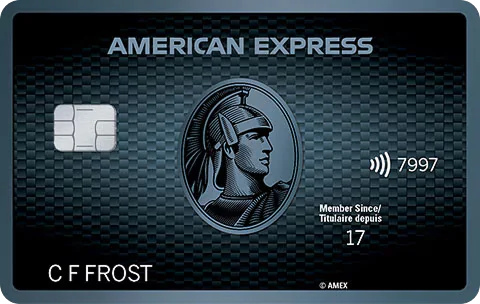
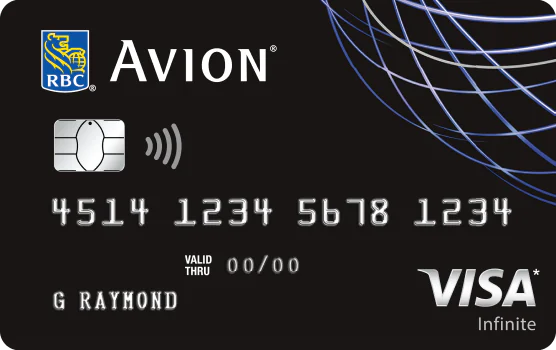
Run these five steps on any card. Our reviews do the maths for you, with the current offer checked against the issuer's page and dated: American Express Cobalt Card, RBC Avion Visa Infinite, TD Aeroplan Visa Infinite Card and Scotiabank Passport Visa Infinite Card.
The short version
- Convert every bonus into dollars.
- Only choose a target you'd hit with normal spending.
- Subtract the fee for year one and year two.
- Read who qualifies and what counts.
- Pick a card you'd keep after the bonus.
Compare travel cards, no-annual-fee cards or cash back cards, or take our 60-second quiz.